
The Hidden Risks of Wipes: Why They’re Bad for Your Sewer Line and Septic System
That pack of “flushable” wipes sitting on your bathroom counter might seem harmless, but plumbers across the country know better. At Eagerton Plumbing, we’ve spent 70 years responding to sewer line repair calls and septic system problems in Jacksonville, FL, and wipes are one of the most common culprits we find at the root of the issue. Whether your home connects to the municipal sewer or runs on a private septic system, what you flush matters more than most people realize.
Your Home’s Waste Removal System
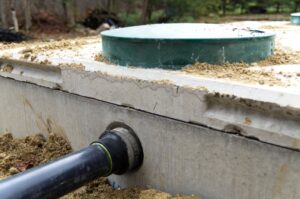
Homes connected to the city sewer rely on a network of pipes that carry waste away from your property and into a treatment facility. Septic systems, common in more rural areas, handle everything on-site. Waste flows into a buried tank, solids settle at the bottom, and liquid moves out into a drain field where it filters through the soil. Both systems depend on materials breaking down quickly and moving through without resistance.
Are Flushable Wipes Really Safe to Flush?
 The short answer is no. Despite the label, most wipes are made from synthetic fibers, materials that hold together when wet rather than falling apart. Toilet paper begins disintegrating within seconds of hitting water. Wipes do not. Testing by water utilities and independent researchers has consistently shown that even products marketed as “flushable” fail to break down the way toilet paper does. They stay intact through your drain, through your pipes, and into whatever system handles your waste, causing problems along the way.
Problems Wipes Cause in Sewer Lines
Inside sewer lines, wipes tend to catch on rough pipe surfaces, joints, and bends in the line. Once one gets stuck, others follow. Grease and debris from cooking and everyday use cling to these clusters, eventually forming a stubborn blockage. These buildups have become a major problem for municipal systems worldwide.
A sewer line inspection is often the only way to see exactly where the blockage has formed and how severe it is. Hydro jetting or mechanical snaking can clear the line, but if wipes have been flushed for a long time, sewer line repair may be necessary to address pipe damage caused by repeated pressure and buildup.
The Impact on Septic Systems
Septic systems rely on a careful bacterial balance to break down solid waste. Wipes introduce material that bacteria cannot digest, causing solids to accumulate much faster than normal. Over time, wipes can clog the inlet and outlet baffles, the components that control how waste flows in and out of the tank. When those are blocked, sewage backs up toward the house or overflows toward the drain field. Drain field damage is one of the most expensive outcomes a homeowner can face, sometimes requiring a full septic system installation to replace a system that has failed beyond repair. Routine septic system maintenance can catch early signs of wipe buildup before it escalates.
Signs of a Wipe-Related Problem
Knowing what to watch for can prevent a minor issue from becoming a major repair. Any one of these symptoms warrants a sewer line inspection or septic system evaluation before the problem gets worse. These are some of the most common warning signs:
- Drains that gurgle, slow down, or back up without an obvious cause
- A sewage odor coming from drains, your yard, or near your septic tank
- Wet patches or unusually green grass over your drain field
- Frequent toilet clogs that keep returning even after clearing
What You Should Do Instead
The fix is simple. Only three things should go down a toilet: human waste, toilet paper, and water. Wipes of every kind belong in the trash. If you have children in the house or elderly family members who use wipes regularly, a small trash can with a lid next to the toilet makes disposal easy. The same rule applies to paper towels, cotton balls, dental floss, and anything else that wasn’t designed to dissolve in water.
How Plumbers Fix Wipe Damage
A sewer line inspection using a camera lets us see exactly where material has accumulated and assess the condition of the pipe. Hydro jetting is often the most effective solution for clearing a clogged sewer line. More significant blockages or pipe damage may require sewer line repair or, in severe cases, replacement. On the septic side, a pump-out to remove accumulated solids is typically the first step, followed by an assessment of the baffles and drain field. If the system has been compromised, septic system repair or a new septic system installation may be recommended.
Keep Your Plumbing Protected With a Sewer Line Inspection
Eagerton Plumbing is Florida State Certified, available 24/7 for emergency plumbing services, and happy to provide a free quote for any sewer or septic work your home needs. Contact us today to schedule a sewer line inspection or septic system evaluation with the Jacksonville team that homeowners have trusted for seven decades.
RECENT POSTS
categories
- Uncategorized
- Water Heater Installation
- Tankless Water Heater
- Plumbing Services
- Bathroom Remodeling
- Hot Water Heater
- Plumber in Jacksonville
- Water Heater Repair
- Eagerton Plumbing
- Eco-Friendly Plumbing Repair
- Water Damage
- Plumbing Leak
- Sewer Line Repair
- Infographic
- Clogged Drains
- Kitchen and Bathroom Remodel
- Bathroom Plumbing
- Residential Plumbing Services
- Garbage Disposal
- Toilet Repair
- Water Heater Replacement
- Water Conservation
- Emergency Plumbing
- Commercial Plumbing Services
- Kitchen Design Inspiration
- Kitchen Remodel
- low-flow toilets
- Leaky Faucet
- Conserve Water
- Drain Pipes
- Kitchen Sinks
- Vessel Sink
- Plumbing Problems
- Water Leak
- Commercial Remodeling Contractors
- Drain Cleaning Services