
What to Do in a Plumbing Crisis
What to Do in a Plumbing Crisis: A Homeowner’s Guide
When a plumbing crisis hits, what happens in the first few minutes can mean the difference between a minor repair and thousands of dollars in water damage. At Eagerton Plumbing, we’ve been responding to plumbing emergencies in Jacksonville, FL, for 70 years, and we know that a little preparation goes a long way. Here’s exactly what to do when things go wrong.
Step 1: Shut Off the Water
Your first move in any plumbing crisis is to stop the source. Every adult in your household should know where the main water shutoff valve is located and how to use it before an emergency ever happens. In most homes, it’s near the water meter, on an exterior wall, or in a utility space. Turn it clockwise to close it and cut off the flow to the entire house.
For smaller problems isolated to a single fixture, you can shut off water locally. Toilets have a valve at the wall behind or beside the base. Sinks and dishwashers typically have shutoff valves under the cabinet. Knowing these locations in advance saves critical time when it counts.
Step 2: Assess the Situation
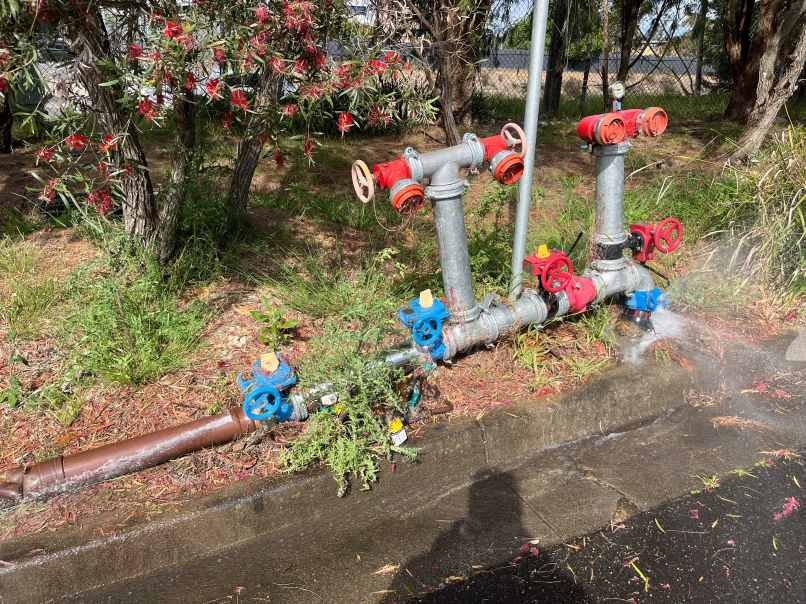
Once the water is off, take a breath and evaluate. Is this one of the worst plumbing problems, like an actively bursting pipe, sewage backup, or flooding, or something less urgent? Understanding the scale of the problem helps you communicate clearly with a plumber and prioritize your next steps. Look at where water is coming from, how much has spread, and whether any materials like flooring, drywall, or cabinetry have been affected.
Step 3: Turn Off Electrical Power if Needed
Water and electricity are a dangerous combination. If water has reached the floor near outlets, appliances, or your electrical panel, cut power to the affected area at the breaker before you enter or touch anything in that space. This is especially important in garages, utility rooms, and finished basements where water from common plumbing problems can spread quickly. If you’re uncertain whether an area is safe, stay out and wait for a professional.
Step 4: Control the Damage
With the water off and power managed, do what you can to limit how far the damage spreads. Use towels, buckets, or a wet/dry vacuum to remove standing water. Move furniture, electronics, and valuables out of the affected area. If a pipe is actively dripping and accessible, a temporary wrap of plumber’s tape can slow the flow while you wait for help.
Document everything with photos and video before you start cleaning up. Most homeowner’s insurance policies cover sudden water damage, and having a clear record of the scene makes the claims process much smoother.
Step 5: Call an Emergency Plumber
Some plumbing problems can wait for a scheduled appointment. A plumbing crisis cannot. Once you’ve taken initial steps to control the situation, call a licensed plumber right away. The longer water sits inside walls, under floors, and in insulation, the faster mold takes hold.
Eagerton Plumbing is available 24/7 for emergency plumbing services in Jacksonville. Our Florida State Certified team can assess the situation, make repairs, and advise on next steps. We also offer a free quote so you know what to expect before any work begins.
Common Plumbing Emergencies
When water is actively damaging your home or creating a health hazard, that’s when you call for emergency help. Knowing which situations qualify as true emergencies helps you act decisively. These are among the most common plumbing problems that require an immediate response:
- Burst or actively leaking pipes spreading water through walls or flooring
- Sewer backups pushing sewage into sinks, toilets, or tubs
- Overflowing toilets that cannot be stopped at the fixture
- Water heaters leaking from the tank body or showing signs of pressure failure
- Complete loss of water pressure across multiple fixtures
How to Fix Plumbing Problems & Prevent Future Emergencies
The best way to handle plumbing problems is to catch them before they become emergencies. Routine maintenance is far less expensive than emergency repairs. A few habits make a real difference:
- Schedule annual plumbing inspections to catch aging pipes, slow leaks, and failing components early.
- Check washing machine hoses, dishwasher connections, and refrigerator water lines for cracking or wear a couple of times per year.
- Monitor your water pressure with a basic gauge.
- Know the age of your water heater; most tank units last 8 to 12 years, and proactive replacement prevents failures.
When to Call Eagerton Plumbing
A plumbing crisis doesn’t care what day it is or what time it is, and neither do we. Eagerton Plumbing has spent seven decades earning the trust of Jacksonville homeowners, and our 24/7 emergency availability means you’re never left waiting. Contact us for a free quote and let our team take it from there.
RECENT POSTS
categories
- Uncategorized
- Water Heater Installation
- Tankless Water Heater
- Plumbing Services
- Bathroom Remodeling
- Hot Water Heater
- Plumber in Jacksonville
- Water Heater Repair
- Eagerton Plumbing
- Eco-Friendly Plumbing Repair
- Water Damage
- Plumbing Leak
- Sewer Line Repair
- Infographic
- Clogged Drains
- Kitchen and Bathroom Remodel
- Bathroom Plumbing
- Residential Plumbing Services
- Garbage Disposal
- Toilet Repair
- Water Heater Replacement
- Water Conservation
- Emergency Plumbing
- Commercial Plumbing Services
- Kitchen Design Inspiration
- Kitchen Remodel
- low-flow toilets
- Leaky Faucet
- Conserve Water
- Drain Pipes
- Kitchen Sinks
- Vessel Sink
- Plumbing Problems
- Water Leak
- Commercial Remodeling Contractors
- Drain Cleaning Services